Have you ever wondered what makes your protein supplement stay fresh and potent from production to consumption? The secret lies in strategic Wintech Package protein powder packing that goes beyond simple containment.
Protein supplement packaging is a critical process that directly impacts product quality and consumer experience. When manufacturers select food grade protein packaging, they’re making a pivotal decision that influences everything from nutrient preservation to brand perception.
Your protein powder packing strategy determines more than just storage. It protects sensitive nutritional compounds, prevents moisture contamination, and ensures the product remains stable throughout its lifecycle. Professional supplement brands understand that protein powder packing isn’t just about holding a product—it’s about maintaining its integrity.
The right packaging material can extend shelf life, preserve nutritional content, and create an attractive presentation that catches a consumer’s eye. From moisture barriers to oxygen protection, every aspect of protein powder packing plays a crucial role in delivering a premium product.
Key Takeaways
- Protein powder packing directly impacts product quality
- Food grade packaging protects nutritional integrity
- Proper packaging prevents moisture and contamination
- Material selection influences shelf life and consumer perception
- Strategic packaging is essential for supplement manufacturers
Understanding the Importance of Protein Powder Packing
Protein powder packing is a critical aspect of sports nutrition packaging that directly impacts product quality, shelf life, and consumer satisfaction. The right packaging protects your valuable nutritional supplements from environmental factors while maintaining their potency and freshness.
Wintech Package, a leading expert in nutrition packaging, emphasizes the significance of selecting optimal protein powder containers that preserve product integrity and appeal to health-conscious consumers.
Benefits of Effective Protein Powder Packing
- Protects against moisture and oxygen contamination
- Maintains product freshness and nutritional value
- Enhances product shelf life
- Provides convenient storage and transportation
Common Materials Used in Whey Protein Containers
Different materials offer unique advantages for bulk protein packaging. Understanding these options helps you make informed decisions about your product’s protection and presentation.
| Material | Key Characteristics | Best Used For |
|---|---|---|
| LLDPE | High tensile strength, excellent heat seal | Flexible packaging with moisture resistance |
| PET | Transparent, superior barrier properties | Clear containers with oxygen protection |
| Aluminum Foil | Exceptional light and moisture barrier | Premium protein powder packaging |
How to Choose the Right Protein Powder Packing Material
Selecting the ideal packaging involves considering several critical factors:
- Product sensitivity to environmental conditions
- Desired shelf life
- Transportation requirements
- Consumer convenience
Pro tip: Prioritize packaging with resealable features like zipper closures to maintain product freshness and prevent contamination.
Best Practices for Protein Powder Packing
Protein powder packing requires precision and expertise to maintain product quality and customer satisfaction. Manufacturers must navigate complex challenges in protein powder manufacturing to ensure optimal packaging solutions.
Tips for Efficient Protein Powder Filling
Your protein powder filling strategy directly impacts product preservation and market appeal. Consider these critical approaches:
- Select appropriate filling machines based on production volume
- Implement vacuum packaging techniques to prevent moisture contamination
- Use nitrogen flushing to extend product shelf life
- Choose automated systems for consistent packaging quality
Quality Control Strategies
Robust quality control measures are essential in food grade protein packaging. Your verification process should include:
- Seal integrity testing
- Material specification verification
- Print quality checks
- Periodic shelf-life stability assessments
Sustainable Packaging Practices
Modern protein powder manufacturing demands environmentally conscious packaging solutions. Focus on recyclable materials, minimized plastic usage, and innovative eco-friendly designs that reduce your carbon footprint.
“Sustainability in packaging is not just a trend, it’s a responsibility.” – Industry Expert
By implementing these best practices, you can optimize your protein powder packing process, ensuring product quality, customer satisfaction, and environmental responsibility.
Innovations in Protein Powder Packing
The protein supplement packaging landscape is rapidly evolving with cutting-edge technologies that transform how consumers interact with sports nutrition products. Digital innovations are reshaping protein powder packing, offering unprecedented levels of engagement and functionality. Brands are now leveraging smart packaging solutions that go beyond traditional bottling methods.
Modern protein supplement packaging now integrates advanced features like QR codes and NFC tags that provide instant access to nutritional information, workout recipes, and product authentication. These digital touchpoints create an interactive experience for fitness enthusiasts seeking more than just a standard protein powder container. Brands can now communicate directly with consumers through their packaging, enhancing transparency and building trust.
Sustainability has become a critical driver in protein powder packing innovations. Eco-friendly materials like compostable films and recycled plastic (PCR) are replacing traditional packaging solutions. Companies are exploring multilayer film technologies with specialized barrier layers that protect product freshness while minimizing environmental impact. These advancements allow sports nutrition brands to meet growing consumer demands for sustainable packaging without compromising product quality.
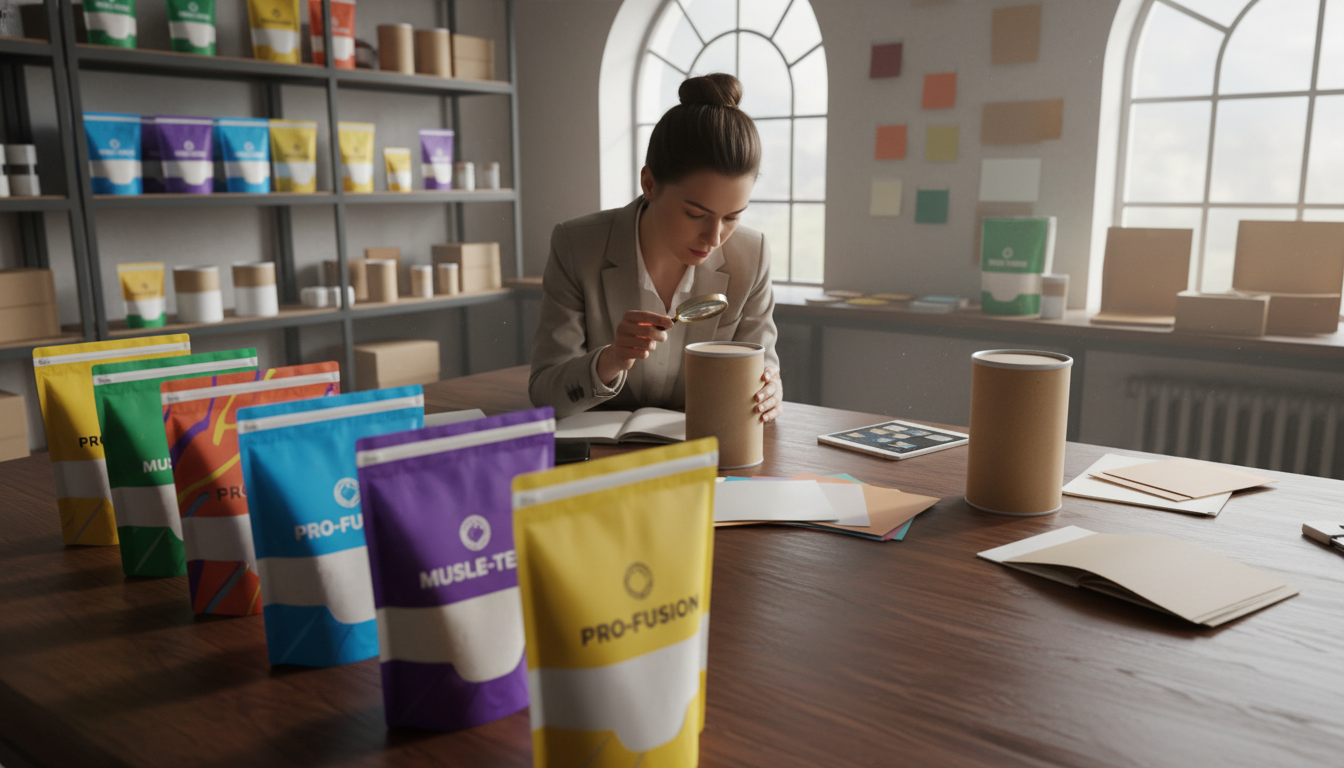
Customization has reached new heights in protein supplement bottling. Brands can now utilize digital printing techniques that enable cost-effective short production runs with personalized designs. From holographic effects to unique texture finishes like soft touch or embossed gold foil, manufacturers can create packaging that stands out on crowded retail shelves. This level of design flexibility empowers brands to craft distinctive visual identities in the competitive sports nutrition packaging market.